
Sugar Land 95 Memorialization Project

The Sugar Land 95 Memorial Cemetery honors the lives of 95 Black victims of convict leasing, confronting the legacy of slavery, racial violence, and mass incarceration in America.
In early 2018, the construction of a new career and technical center in Sugar Land, Texas, unearthed a neglected piece of the city’s past: an unmarked burial site for Black Americans believed to be victims of a brutal state-run convict leasing program that criminalized and exploited Black Americans after the abolition of slavery.

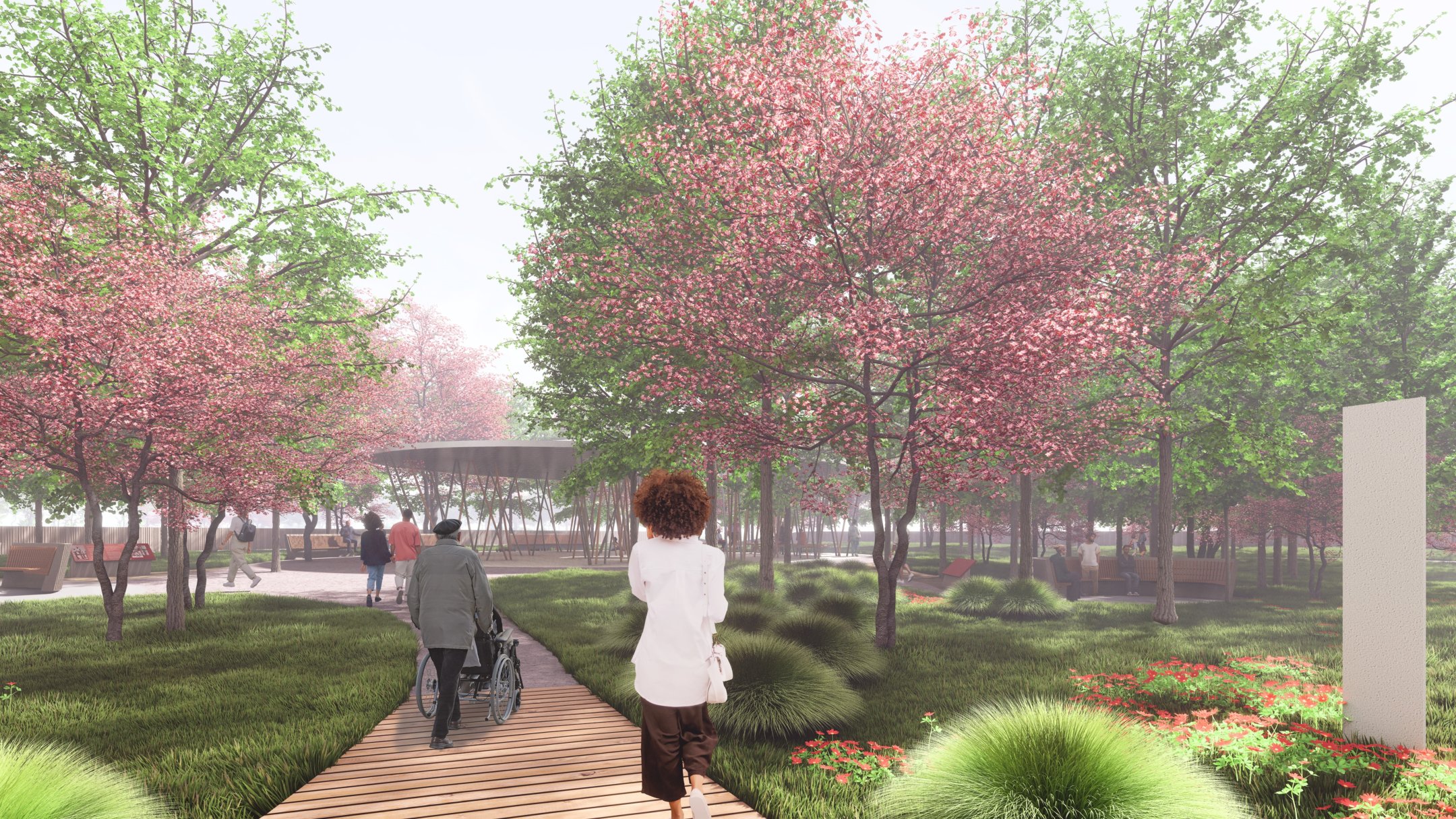
Vertical markers (final designs in progress) display information about the 95 on plaques that can evolve over time as more information is revealed.

ABC13 Houston
Sugar Land 95 creates a space of collective reckoning—bringing the untold stories of convict leasing out of the margins and into public consciousness. By honoring the lives of the 95, the project makes this history tangible, relevant, and impossible to ignore.
MASS is working with the Fort Bend Independent School District (FBISD) and The Society of Justice & Equality for the People of Sugar Land (SOJES) to revitalize the cemetery and create a permanent memorial museum to honor the Sugar Land 95. It will provide space to pay respects to the deceased, learn about the site’s history, and reflect on how this history connects to today’s systems of racial injustice.


This project is rooted in a deeply participatory design process that centers the voices of descendants, residents, students, historians, archaeologists, and educators. Through community engagement and storytelling, the design process itself has become an act of repair—acknowledging past harms while envisioning a more just future.
To support education and dialogue, a new Sugar Land 95 National Convict Leasing Museum and Reginald Moore Educational Center will be built across from the cemetery. Named in honor of the late activist who advocated for the recognition of the site, the museum will teach the broader history of convict leasing and its ties to the carceral system, as well as other racial and social injustices that have shaped American life.


More than a memorial, Sugar Land 95 is a model for how design can foster belonging, catalyze truth-telling, and inspire civic engagement. It invites communities across the country to confront difficult histories—not as acts of blame, but as necessary steps toward healing and transformation.


By embedding memory in the landscape and aligning with community vision, the Sugar Land 95 Memorial and Museum ensures that the lives of those once forgotten are honored with dignity, remembered with truth, and carried forward with purpose.


