
Volcanoes National Park Expansion Plan

The Volcanoes National Park (VNP) Expansion Plan is a comprehensive strategy to protect Rwanda’s critical mountain gorilla habitat while fostering sustainable development and improved livelihoods for surrounding communities.
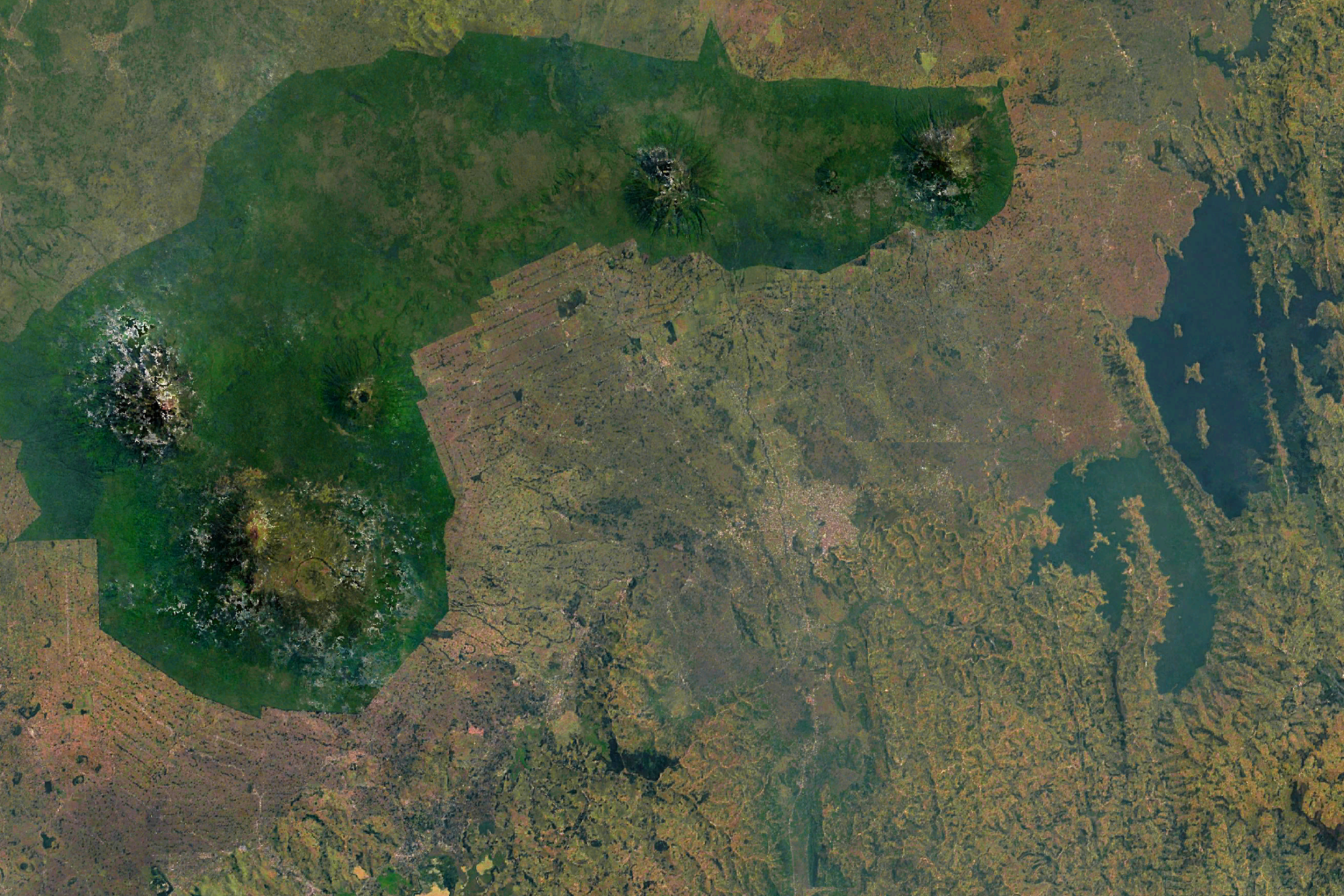
The Volcanoes National Park (VNP) is one of Rwanda's most precious natural assets, home to the endangered mountain gorillas and a wealth of biodiversity. However, this iconic landscape faces significant challenges, including habitat degradation, human-wildlife conflicts, and the socio-economic struggles of surrounding communities who rely on increasingly unsustainable agricultural practices. To address mounting pressures on the park’s ecosystems, the African Wildlife Foundation (AWF) and the Rwanda Development Board (RDB) commissioned a Conservation and Development Master Plan to provide a sustainable path forward that balances biodiversity conservation with community development.

Volcanoes National Park Existing Conditions

Strategic Conservation & Development Zones


MASS, in partnership with Vanguard Economics and the Dian Fossey Gorilla Fund, developed a visionary Land Use Plan and Conservation Investment Blueprint. Together, these frameworks establish a sustainable foundation for land management, habitat restoration, and targeted investment in community infrastructure and services.
The goal is to protect vital habitats while promoting economic opportunities for local communities, ensuring that both conservation and development needs are met.

Volcanoes National Park Proposed Buffer Zones

At the heart of this plan is the creation of a strategically designed conservation and development area.
Spanning approximately 132 square kilometers, this area is essential for mitigating the impact of human activities on the park’s core conservation agendas. It is divided into three primary zones: Conservation, Agriculture and Tourism, and Settlement, each tailored to address specific challenges and opportunities.
- The Conservation Zone is dedicated to preserving critical habitats, particularly for the mountain gorillas. It is strictly managed to maintain biodiversity and ecological integrity, ensuring that the natural environment remains resilient and undisturbed.
- The Agriculture and Tourism Zone is designed to support sustainable farming practices while integrating eco-tourism activities. It enhances soil health and biodiversity while providing alternative income streams for local communities. By reducing the pressure on natural resources, this approach promotes long-term environmental sustainability.
- The Settlement Zone is carefully planned to minimize ecological disruption while providing essential infrastructure and services to local populations. It is strategically located to balance the needs of human settlement with the protection of the surrounding environment.

Cross Section of Proposed Zones

Within each of these primary zones, sub-zones have been designated for specific activities. For example, within the Agriculture and Tourism Zone, areas may be set aside for agroforestry, organic farming, or eco-tourism lodges. These sub-zones are designed to optimize land use, ensuring that conservation efforts are complemented by sustainable development initiatives that benefit local communities.
By integrating these zoning strategies into the broader Conservation and Development Master Plan, the project not only protects the ecological richness of the VNP but also ensures that local communities can thrive through sustainable practices. This comprehensive approach demonstrates that conservation and development are not mutually exclusive but can be mutually reinforcing. The VNP Landscape serves as a model for how thoughtful planning and strategic investment can—and must—create a future where both nature and people flourish.


