
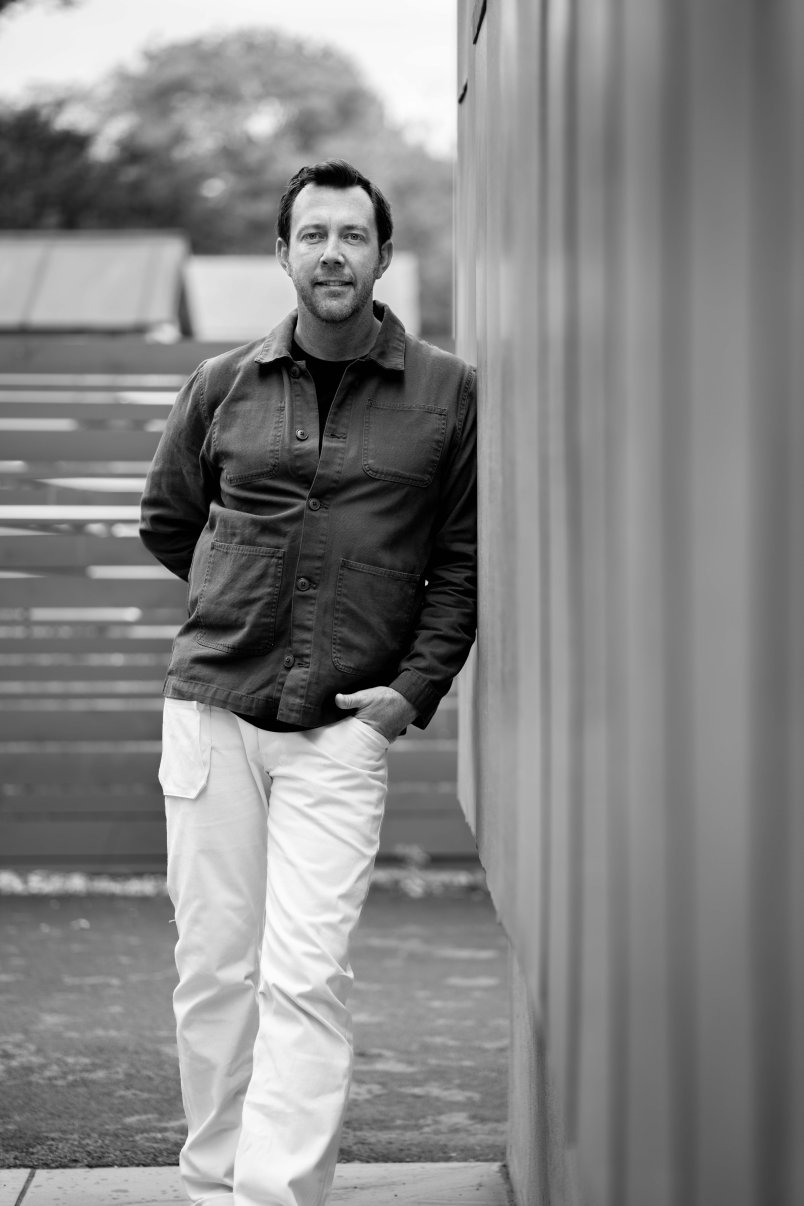
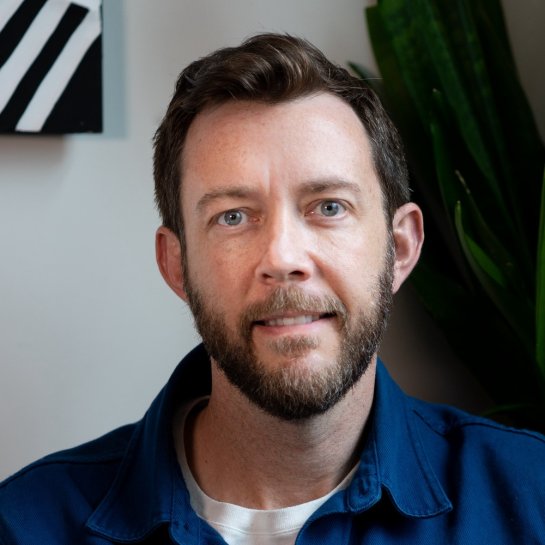
Alan Ricks
AIA , Int FRIBA
Co-Executive Director and Founding Principal
Boston, MA, USA
Alan Ricks is a Founding Principal and Co-Executive Director of MASS (Model of Architecture Serving Society), an organization that believes a more just and beautiful future is ours to create. Rooted in leading research and deep local knowledge, MASS creates civic spaces that set new standards for design excellence.
Alan’s recent projects exemplify this mission, including the Rwanda Institute for Conservation Agriculture (RICA), the world’s first climate-positive university campus, and the New Lots Branch Library in Brooklyn, which translates remembrance into belonging. Constructed beside a rediscovered African burial ground, the library creates a space for gathering and collectively imagining a better future. These and other works embody MASS’s belief that architecture can nurture well-being, foster belonging, and advance collective flourishing.
Under his leadership, MASS has grown into an interdisciplinary collective of more than 100 professionals working across Africa, North America, and beyond to translate bold ideas into transformative architecture and landscapes. Alan has shaped MASS’s organizational strategy and hybrid business model, balancing philanthropic investment with mission-driven design services to expand the reach and impact of architecture.
MASS’s Design Labs turn insights from projects into sustained movements for systemic change. These Labs—ranging from Public Memory and Memorials to Abundant Futures and Maternal & Newborn Health—link research, catalyst projects, and systems change to address the most urgent challenges of our time.
Alan curated Abundant Futures Live, a global convening that brought together visionary dreamers, activists, scientists, philanthropists, and designers to imagine the world we want to build together. At a moment of deep uncertainty, the event demonstrated the power of community and imagination to build momentum toward a more hopeful and interconnected future.
Alan regularly teaches advanced architecture studios, including at Harvard and Yale, where he was most recently the Louis I. Kahn Visiting Professor. His latest book, Seeking Abundance: Design, Ecology, and a Flourishing Planet, explores how architecture can restore balance between people and the planet. His TED Talk, described by TED’s Chief Curator Chris Anderson as “a different language about what architecture can aspire to be,” has been viewed around the world.
Alan is an International Fellow of the Royal Institute of British Architects and a Young Global Leader of the World Economic Forum. He was appointed by the Governor of Massachusetts to the Designer Selection Board to select firms for state-funded work, where he served two terms and was also Chair.
He lives in a house he designed in Cambridge, Massachusetts, with his wife, Cristina, and their three children, Siena, Sage, and Sloan, who continue to offer him unfiltered design critiques. Before architecture, he tried many other fields but is mainly asked to tell stories about a stint as a commercial fisherman in Alaska.
Alan holds a Master of Architecture from the Harvard Graduate School of Design and a Bachelor of Arts from Colorado College, where he was also bestowed an Honorary Doctor of Fine Arts degree.
MASS has received the National Design Award for Architecture from the Cooper Hewitt Smithsonian Design Museum, been named Firm of the Year by the American Institute of Architects, and recognized by the Wall Street Journal as Innovator of the Year, with its work featured in 60 Minutes, The New York Times, Architectural Digest, and Fast Company, among many others.
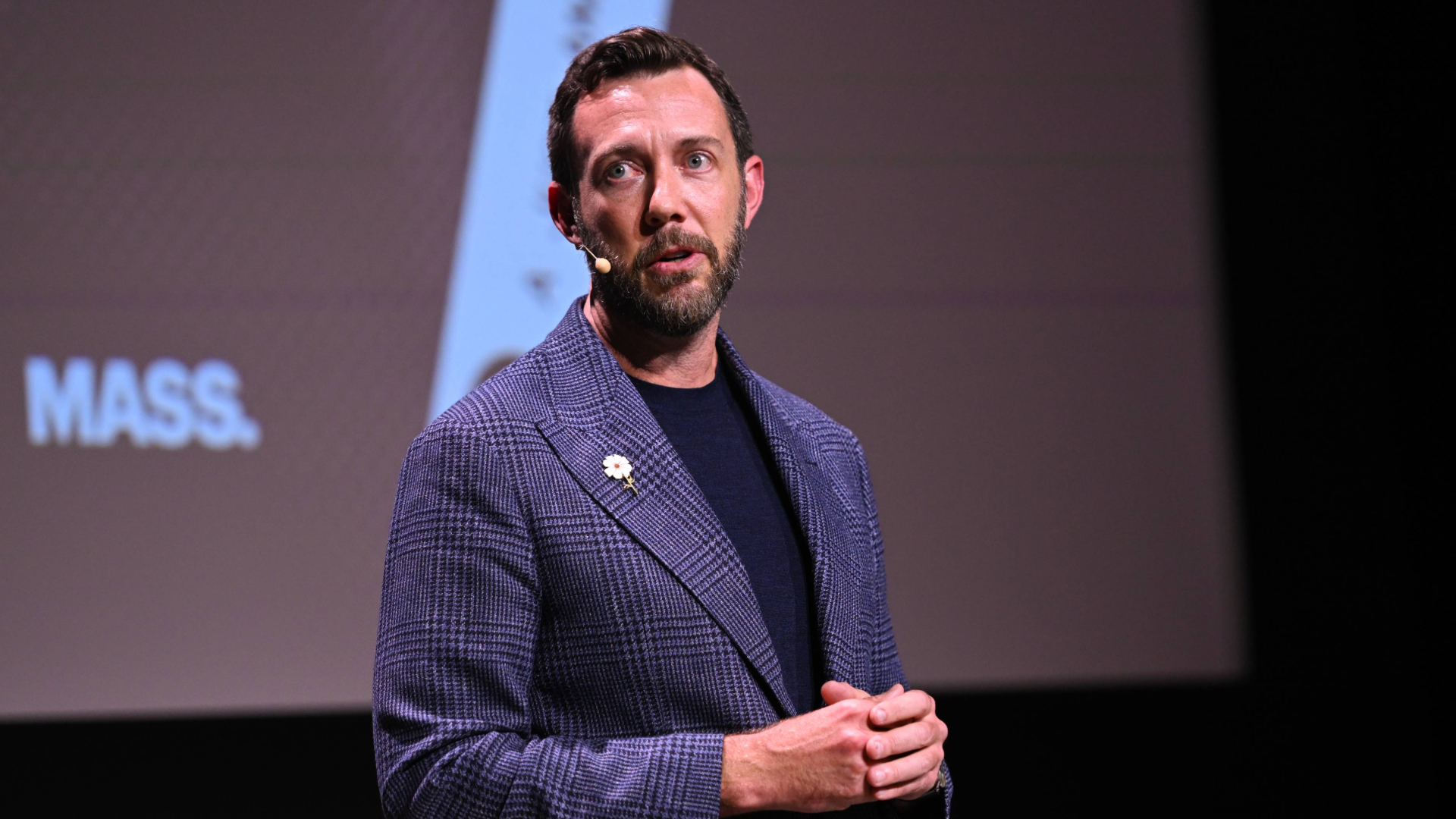
Alan Ricks | Flourishing Together: How Design Can Help People and the Planet Thrive
Drawing on 15 years of nonprofit practice, Alan Ricks, Co-Founder and Co-Executive Director of MASS, reflects on how architecture can move beyond scarcity thinking toward abundance, creating places that foster well-being, belonging, dignity, beauty, and joy. He outlines MASS’s model of research, catalyst projects, and knowledge-sharing, and highlights how design can intervene where markets and politics often fall short.
